


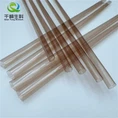


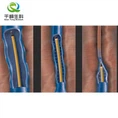
Diagnostic Catheter
Architectural design & planning cepteur sint occaecat cupidatat proident, taken possession of my entire soul, like these sweet mornings of spring which I enjoy with my whole...Architectural design & planning cepteur sint occaecat cupidatat proident, taken possession od my entire soul, like these sweet mornings of spring which I enjoy with my whole Lorem ipsum dolor sit ament, consectetur adipisicing elit,sed do eiusmod tempor incididunt labore et dolore magna aliqua. it enim ad minim veniam.
Architectural design & planning cepteur sint occaecat cupidatat proident, taken possession of my entire soul, like these sweet mornings of spring which I enjoy with my whole...Architectural design & planning cepteur sint occaecat cupidatat proident, taken possession od my entire soul, like these sweet mornings of spring which I enjoy with my whole Lorem ipsum dolor sit ament, consectetur adipisicing elit,sed do eiusmod tempor incididunt labore et dolore magna aliqua. it enim ad minim veniam.
Why Choose us?
Expertise
Our team has expertise in the latest CAD/PAD technologies and a wealth of experience in the industry. We stay up-to-date with the latest advancements in the field, so you can rest assured that you are receiving the highest quality services.
Quality Control
We have a strict quality control process to ensure that the products we produce and the services we provide meet or exceed industry standards. You can trust us to deliver consistent, reliable, and accurate results every time.
Competitive Pricing
We offer competitive pricing without compromising on quality. We understand the importance of keeping costs low, and we work hard to find solutions that fit within your budget.
Customer Service
We strive to provide excellent customer service and support throughout every stage of the project. Our team is always available to answer questions, provide guidance, and offer assistance whenever you need it.


Benefits of Diagnostic Catheter
Provides accurate diagnosis
Diagnostic catheters allow doctors to directly visualize the inside of the arteries and heart chambers, providing an accurate diagnosis of any heart disease or blockages.
01
Can guide treatment
During a catheterization procedure, doctors can also use the catheter to guide instruments to the affected area, such as balloons used for angioplasty or stents to keep blood vessels open.
02
Helps determine the severity of heart disease
A diagnostic catheter can help measure blood pressure and oxygen levels throughout the heart and pulmonary artery, which can help doctors gauge the severity of heart disease and determine the best course of treatment.
03
Minimal risk and pain
Compared to invasive surgical procedures, catheterization procedures using diagnostic catheters are less risky, cause less pain and require less recovery time for patients.
04
Allows for continuous monitoring
Diagnostic catheters can remain temporarily placed in the arteries or heart chambers to monitor the patient's condition and adjust treatment as needed.
05
Specifications of Diagnostic Catheter
Diagnostic catheters are medical instruments used by healthcare professionals to access the interior of a patient’s body for diagnostic or therapeutic purposes. Some of the important specifications of diagnostic catheters are:
Material
Diagnostic catheters are made of various materials, including polyurethane, silicone, and thermoplastics. The material used for the catheter depends on the application, and the specific patient need.
Diameter
Diagnostic catheters come in different diameters, ranging from 1 to 7 French (F), with 1 F being the smallest and 7 F being the largest.
Length
The length of a diagnostic catheter usually ranges from 100 to 150 cm, but it can vary depending on the area being accessed.
Tip Configuration
Diagnostic catheters come in different tip configurations, including straight, angled, J-curved, and pigtail. The tip configuration is important as it determines how the catheter is positioned in the desired location.
Flexibility
The flexibility of the diagnostic catheter is an important factor to consider when choosing a catheter for a specific procedure. Catheter flexibility is influenced by the material used, the diameter, and the tip configuration.
Sterilization
Diagnostic catheters must be sterilized properly to prevent infection. They are usually sterilized using ethylene oxide (EtO) or gamma radiation.Efficient and precise processing and testing equipment.
Radiopacity
Diagnostic catheters are typically made of materials that are radiopaque, which means they show up on an X-ray. The radiopacity of the catheter is important as it allows healthcare professionals to track the placement and movement of the catheter within the patient’s body.
Compatibility with Imaging Equipment
Diagnostic catheters must be compatible with the imaging equipment used during a procedure. The catheter’s radiopacity and other imaging characteristics must be compatible with the imaging equipment used to produce high-quality images.
Applications of Diagnostic Catheter
Diagnostic catheters are used in several medical procedures to diagnose, monitor, and treat health conditions.
Cardiac catheterization
A diagnostic catheter is used to examine the heart’s blood vessels and chambers. The catheter is inserted through a blood vessel and guided to the heart. This procedure is used to diagnose and treat heart conditions such as coronary artery disease, valvular heart disease, and heart failure.
Angiography
Angiography is a diagnostic procedure used to examine the blood vessels in the body. The catheter is inserted through a blood vessel and guided to the area of interest. This procedure can be used to diagnose and treat several conditions such as aneurysms, stenosis, and blockages.
Neurological procedures
A diagnostic catheter is used to examine the blood vessels in the brain. This procedure is called cerebral angiography. The catheter is inserted through a blood vessel and guided to the brain. This procedure can be used to diagnose and treat several conditions such as aneurysms, arteriovenous malformations, and stroke.
Endoscopic procedures
A diagnostic catheter is used to examine the gastrointestinal tract. The catheter is inserted through the mouth or anus and guided to the area of interest. This procedure can be used to diagnose and treat several conditions such as gastrointestinal bleeding and inflammatory bowel disease.
Urinary tract procedures
A diagnostic catheter is used to examine the bladder and urethra. The catheter is inserted through the urethra and guided to the bladder. This procedure can be used to diagnose and treat several conditions such as urinary incontinence and urinary tract infections.
The Difference Between Diagnostic Catheters and Guide Catheters


Diagnostic Catheter and Guide Catheter Features
● Diagnostic Catheter: Smaller sized (5F-6F) and only used for diagnostic purposes for coronary angiograms and hemodynamic assessment.
● Guide Catheters: Large size (5-8F) and used primarily to deliver coronary interventional equipment (i.e., coronary wires, balloon, and stent catheters, etc.)
Diagnostic Catheter and Guide Catheter Functions
● Guiding Catheter
Small diameter: Diagnostic catheters are typically less than 1mm in diameter, making them suitable for insertion into small blood vessels and other narrow spaces within the body.
Flexibility: These catheters are designed to be flexible, allowing them to be easily guided through the body's complex anatomy. Some catheters are made from materials that are particularly flexible, such as polyurethane.
Multiple lumens: Many diagnostic catheters have multiple lumens, or channels, running down the length of the tube. These lumens can be used to deliver contrast agents, medications, or other fluids to the target area, or to drain fluids out of the body.
Radiopaque tip: The tip of many diagnostic catheters is made from a material that is visible under X-ray radiation, allowing clinicians to precisely guide the catheter to the desired location during a procedure.
Smooth surface: The exterior surface of diagnostic catheters is typically smooth to reduce the likelihood of damage to delicate tissues as the catheter is inserted and moved through the body.
Disposable: Many diagnostic catheters are designed to be disposable, reducing the risk of infection and improving overall safety during procedures.
Guiding Catheter
Material: Guiding catheters are made of special materials such as polyurethane, nylon, or Teflon to ensure flexibility, durability, and resistance to kinking and damage.
Length and Diameter: Guiding catheters are available in different lengths and diameters to accommodate varying anatomies and procedural requirements.
Tip Design: Guiding catheters have different tip designs such as straight, angled, J-shaped, or pigtail to facilitate navigation, entry, and placement in the targeted vessels or organs.
Number of Lumens: Guiding catheters have one or multiple lumens to allow for the passage of different diagnostic or therapeutic devices such as wires, balloons, stents, or embolic agents.
Markers: Guiding catheters may have radiopaque markers at the tip or along the length to enhance visibility under imaging guidance or fluoroscopy.
Coatings: Guiding catheters may have hydrophilic or hydrophobic coatings to facilitate insertion and navigation through the vascular system with less trauma or friction.
Sterilization: Guiding catheters are sterilized using different methods such as ethylene oxide or gamma radiation to ensure safety and prevent infection.
Packaging: Guiding catheters are packaged in sterile pouches or trays and may include accessories such as introducer sheaths, dilators, or wire guides for ease of use and compatibility with other devices.

Diagnostic catheters are typically made of materials such as silicone, polyurethane, or thermoplastic elastomers (TPEs). These materials are chosen for their flexibility, durability, chemical resistance, and biocompatibility.
● Silicone is a popular choice for diagnostic catheters due to its high flexibility, ease of sterilization, and ability to withstand multiple uses.
● Polyurethane is also commonly used due to its strength and flexibility, making it suitable for use in diagnostic catheters that require maneuverability through small or complex anatomical structures.
● TPEs are a newer material used in diagnostic catheters that offer a combination of flexibility, durability, and ease of processing.
● The specific material chosen for a diagnostic catheter will depend on the intended use and characteristics required for clinical performance.
How Many Layers Does a Diagnostic Catheter Have?
A Diagnostic Catheter usually consists of three layers. They are the inner layers, braided reinforcement and outer layer. By using advanced materials and manufacturing techniques, catheter manufacturers can create highly advanced and specialized catheters that meet the needs of healthcare professionals and their patients.
Inner Layers
The inner layer is made of a high-quality polymer that provides lubricity and low friction for easy navigation through blood vessels. The braided reinforcement layer provides structural integrity and torqueability to the catheter, allowing it to be manipulated and steered through the vessels.
Outer Layer
The outer layer is typically made of a radiopaque material that allows for visualization of the catheter during placement and manipulation.
Braided Reinforcement Layer
The braiding construction of the reinforcement layer can be customized for specific applications. For example, a tighter braid can provide more kink resistance and torsional stiffness, while a looser braid can provide increased flexibility and trackability.
What Size Is a Diagnostic Catheter?
| Diagnostic Catheters | ||
| Company Name | Product Name | Catheter Length (cm) |
| AngioDynamics | Accu-Vu Sizing Catheter | 70, 90, 100 |
| AngioDynamics | Mariner Hydrophilic Angiographic Catheter | 40–150 |
| AngioDynamics | Soft-Vu Angiographic Catheter | 25–150 |
When Choosing Diagnostic Catheter, You Should Consider:
Diagnostic catheters are used to navigate cardiac anatomy, capture critical cardiac information and deliver more precise therapy. Our diagnostic catheters are designed to help facilitate comprehensive data collection and meet your patients' needs from simple to complex cases
Type
There are several types of diagnostic catheters available depending on the particular area of the body being examined. Some examples include cardiac catheters, neurovascular catheters, and urinary catheters.
Size
Catheters come in different sizes depending on the age, size, and health of the patient. Choosing the right size is important to ensure that the diagnostic procedure is safe and effective.
Materia
Diagnostic catheters can be made of different materials, such as plastic, silicone, or metal. The choice of material will depend on the type of procedure being performed and the preference of the healthcare provider.
Flexibility
Some diagnostic catheters are more flexible than others, which can be important when navigating through curved or twisted blood vessels or other anatomical structures.
Tip shape
The tip of the catheter can be straight or curved, and may also be shaped to facilitate insertion and navigation through tight spaces or around obstacles.
Visibility
Some catheters are designed to be more visible under imaging, such as X-ray or ultrasound, which can help guide the catheter to the desired location with greater accuracy.
Length
The length of the catheter will depend on the area of the body being examined and the route of insertion. Longer catheters may be needed for procedures that require access to deep or difficult-to-reach structures.
Brand and manufacturer
It is important to choose a diagnostic catheter from a reputable manufacturer that is known for producing high-quality, safe, and effective medical devices.
Hangzhou Qiantong Biotechnology Co., Ltd. is located in Hangzhou, Zhejiang Province, China. Since its establishment in 2017, the company has been focusing on the field of vascular intervention and is determined to provide high-quality and affordable intervention consumables for global partners. We can provide not only semi-finished products, but also finished products. The products cover such fields as cardiology, cardiac surgery, vascular surgery, Radiology, Intracranial vascular intervention,Electrophysiology etc.


With more than 10 years Production and sales experience in CAD /PAD, the founder and team from Hangzhou Qian Tong Biotechnology are specialized in providing products and service as follow:


Certifications

FAQ
Q: What is a diagnostic catheter?
Q: What are the characteristics of guide catheters?
Q: What shape is a diagnostic catheter?
Q: What is a guiding catheter used for?
Q: What material is diagnostic catheter?
Q: What is the standard for catheters?
Q: What is the most important guiding principle when choosing the correct size of catheter?
Q: Why is choosing the correct catheter size important?
Q: How do you determine the size of a catheter?
Q: What is the color code for catheters?
Q: What is a 5F diagnostic catheter?
Q: What does FR mean in catheter?
Q: What is the color code for catheters?
Q: Which catheter is the most comfortable?
Q: What is the best catheter for long term use?
Q: What is the function of a diagnostic catheter?
Q: How long does a diagnostic catheterization take?
Q: What is the difference between diagnostic and interventional catheterization?
Q: How long is a diagnostic catheter?
Q: Should catheters be flushed?
We're well-known as one of the leading diagnostic catheter manufacturers and suppliers in China. Please feel free to wholesale high quality diagnostic catheter at competitive price from our factory. For custom service, contact us now.
Diagnostic Coronary Catheters, Diagnostic Catheter, Diagnostic Cardiac Cath