


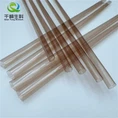


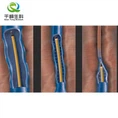
Angiography Catheter
An angiography catheter is a thin, flexible tube used in medical procedures to visualize the blood vessels or organs of the body. It is typically used during a diagnostic test called angiography, where a contrast dye is injected through the catheter into the blood vessels to help identify any blockages or abnormalities. Angiography catheters can be guided through the body via a small incision or through an artery, vein, or other vessel, and can enable physicians to see inside the body and diagnose and treat a wide range of conditions. They are commonly made of materials such as plastic, silicone, or polyurethane, and come in a variety of sizes and shapes for different uses.
Why Choose us?
Expertise
Our team has expertise in the latest CAD/PAD technologies and a wealth of experience in the industry. We stay up-to-date with the latest advancements in the field, so you can rest assured that you are receiving the highest quality services.
Quality Control
We have a strict quality control process to ensure that the products we produce and the services we provide meet or exceed industry standards. You can trust us to deliver consistent, reliable, and accurate results every time.
Competitive Pricing
We offer competitive pricing without compromising on quality. We understand the importance of keeping costs low, and we work hard to find solutions that fit within your budget.
Customer Service
We strive to provide excellent customer service and support throughout every stage of the project. Our team is always available to answer questions, provide guidance, and offer assistance whenever you need it.
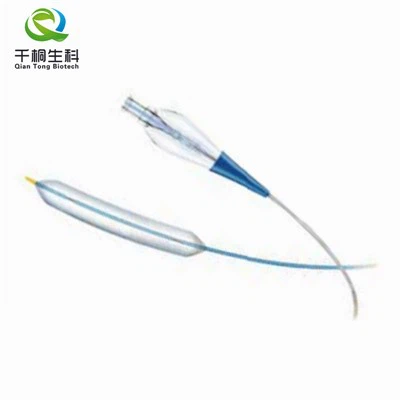


Benefits of Angiography Catheter

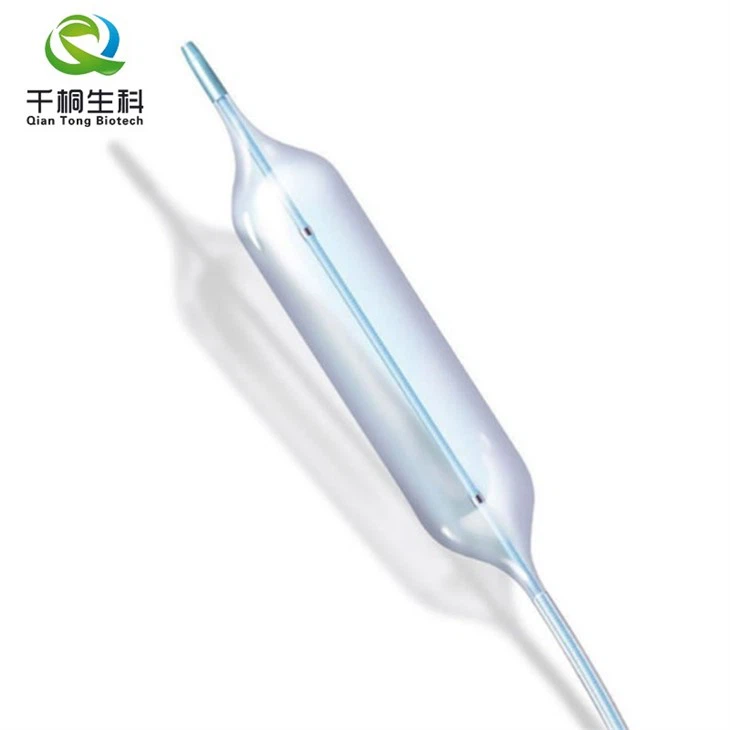


Using an angiography catheter may eliminate the need for surgery. Catheter angiography presents a very detailed, clear and accurate picture of the blood vessels. By selecting the blood vessels through which the angiography catheter passes, it is possible to assess vessels in several specific body sites.
Accurate diagnosis
Angiography catheters enable doctors to visualize the blood vessels, identify blockages, and accurately diagnose conditions such as coronary artery disease, peripheral artery disease, or aneurysms.
Precise treatment
With the help of angiography catheters, doctors can perform a range of treatments such as balloon angioplasty, stent placement, or embolization to restore blood flow to affected areas or prevent bleeding.
Lower risk of complications
Angiography catheters are minimally invasive, which means there is a lower risk of complications such as bleeding, infection, or allergic reactions.
Shorter hospital stay
Angiography catheter procedures are typically outpatient procedures, which means patients can go home the same day or the day after the procedure.
Improved quality of life
By restoring blood flow to affected areas, angiography catheter procedures can improve symptoms such as chest pain, shortness of breath, or leg cramps, and ultimately improve a patient's quality of life.
Specifications of Angiography Catheter
An angiography catheter is a medical device used in radiographic imaging to visualize blood vessels and diagnose conditions in various parts of the body. The following are the specifications of an angiography catheter:
Material
Polyurethane and silicone are both commonly used materials for making angiography catheters. These materials are biocompatible, which means that they are not harmful or toxic to the human body, and they have good properties for medical applications, such as flexibility, durability, and resistance to fluids and chemicals. Polyurethane is a thermoplastic polymer that can be molded into a wide range of shapes and sizes and has good mechanical strength. Silicone is a type of rubber that can also be molded and has excellent biocompatibility, softness, and resistance to high temperatures and radiation. Both materials can be sterilized and are suitable for long-term use in the body.
Length
Length of an angiography catheter varies depending on its intended use and location of the body being imaged. Generally, catheters used for coronary angiography are about 100 cm (39.4 inches) long, while those used for cerebral angiography are around 130 cm (51 inches) long.
Diameter
Diameter refers to the width or thickness of an object or structure. In medical terminology, it typically refers to the size of a tube or catheter that is inserted into a patient's body for diagnostic or therapeutic purposes.
● The diameter of the angiography catheter ranges from 3F to 7F, with the most common sizes being 5F and 6F.
● The catheter allows for the injection of contrast material, which helps to visualize the blood vessels and identify any abnormalities or blockages.
● The size or diameter of the angiography catheter can vary depending on the intended use and the size of the blood vessels being examined.
Shape
Angiography catheters come in various shapes such:
● Straight catheters - These have a straight shaft and are used for accessing the larger blood vessels, such as the aorta.
● Pigtail catheters - These have a curved tip, which allows them to navigate through tortuous blood vessels. They are used for coronary angiography and ventriculography.
● Judkins catheters - These have a J-shaped tip and are used for selective angiography of the coronary arteries.
● Amplatz catheters - These have a straight or curved tip and are used for a variety of procedures, including left ventriculography, renal angiography, and peripheral angiography.
● Multipurpose catheters - These have a straight or slightly curved tip, and are adaptable to a variety of procedures, including coronary angiography, ventriculography, visceral angiography, and peripheral angiography.
Tip Configuration
The tip of an angiography catheter varies from one manufacturer to another. Some have a straight tip while others have a curved or angled tip.
Radiopaque Markers
Radiopaque markers are small objects that are visible under X-ray imaging and are used to help guide the placement of the catheter. These markers are often placed at strategic locations on the catheter to ensure accurate positioning inside the blood vessel. The angiography catheter is used to inject a contrast dye into the blood vessels to obtain clear images of the heart and blood vessels and to measure the pressure inside the heart.
Flow rate
Depending on the application, the flow rate of an angiography catheter can be between 0.5ml/sec and 5ml/sec.
Sterilization
The catheter is typically made of a flexible material such as plastic or silicone and is designed to be inserted into a blood vessel, usually through the groin or arm. Once in place, the catheter can be used to inject contrast dye into the blood vessels, allowing doctors to see the blood flow and spot any abnormalities or blockages. Angiography catheters are sterilized using gamma radiation or ethylene oxide gas to ensure patient safety.
Compatibility
Angiography catheters are compatible with various types of imaging equipment such as X-ray machines, CT scans, and MRI machines.
Indications
● An angiography catheter is used to diagnose and treat various medical conditions such as heart disease, stroke, and peripheral vascular disease.
● Angiography catheters may also be used to perform interventional procedures such as angioplasty, in which a balloon is inflated to widen a narrowed blood vessel, or stent placement, in which a mesh tube is inserted to prop the vessel open.

Angiography catheter is used to check the health of your blood vessels and how blood flows through them. Angiography catheter can help to diagnose or investigate several problems affecting blood vessels, including:
● Atherosclerosis-narrowing of the arteries, which could mean you're at risk of having a stroke or heart attack
● Peripheral arterial disease-reduced blood supply to the leg muscles
● A brain aneurysm-a bulge in a blood vessel in your brain
● Angina-chest pain caused by reduced blood flow to the heart muscles
● Blood clots or a pulmonary embolism-a blockage in the artery supplying your lungs
● A blockage in the blood supply to your kidneys
● Angiography catheter may also be used to help plan treatment for some of these conditions.
Doctors use angiography to diagnose and treat blood vessel diseases and conditions. Angiography exams produce pictures of major blood vessels throughout the body. Some exams use contrast material.
The steps doctors use the Angiography Catheter to perform angiography:
● X-rays with catheters
● Computed tomography (CT)
● Magnetic resonance imaging (MRI)
In catheter angiography, a thin plastic tube, called a catheter, is inserted into a blood vessel through a small incision in the skin. Once the angiography catheter is guided to the area being examined, the technologist injects a contrast material through the angiography catheter and captures images using a small dose of ionizing radiation (X-rays).
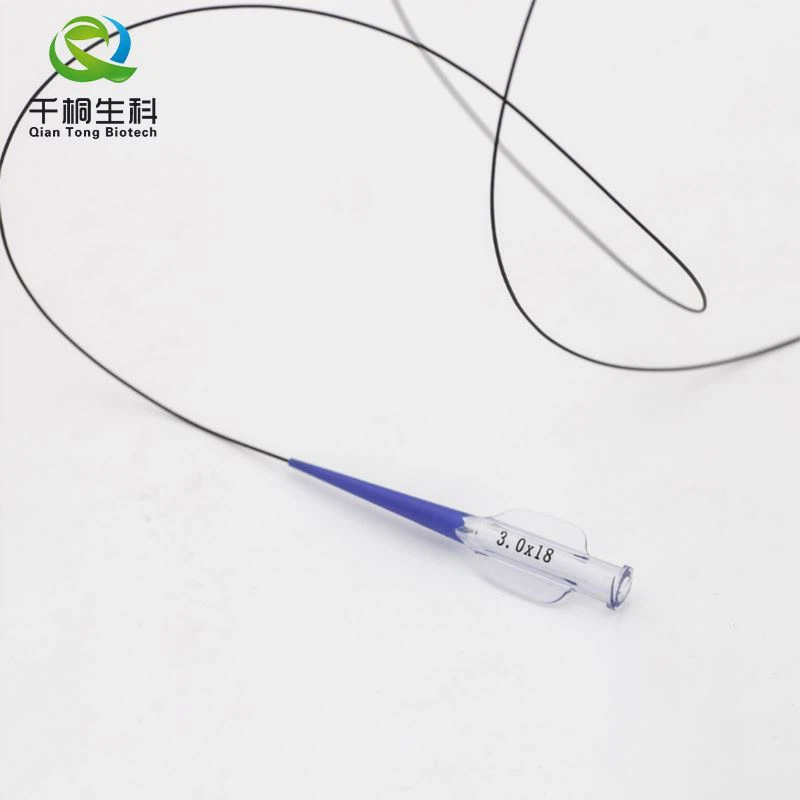
Types of Angiographic Catheter
| Company Name | Product Name | Length (cm) |
| Alvimedica | Alvision | 80, 100, 110, 125 (CE Mark approval pending) |
| AngioDynamics | Accu-Vu Sizing Catheter | 70, 90, 100 |
| AngioDynamics | Mariner Hydrophilic Angiographic Catheter | 40–150 |
| AngioDynamics | Soft-Vu Angiographic Catheter | 25–150 |
Materials of Angiography Catheter
Angiography catheters are typically made from medical-grade plastics such as polyurethane, nylon, or silicone. The materials used are biocompatible and safe for use in the body.
1. Angiography catheters are designed to be inserted through a blood vessel, usually in the arm or leg, and guided to the area of interest using imaging techniques such as x-rays or ultrasound.
2. Angiography catheter is a flexible tube with a hollow center that allows blood to flow freely around it. At the tip of the catheter, there is a small balloon or a metal coil that can be inflated to block off the blood vessel temporarily. This allows the contrast dye to be injected into the area of interest with precision, giving a clear image of the blood vessels and any abnormalities or blockages.
3. Due to the delicate nature of the procedure, angiography catheters must be manufactured to very high standards. Angiography catheter are typically single-use devices and disposed of after each procedure to prevent the spread of infection.
4. Angiography catheters are a crucial component of minimally invasive diagnostic and therapeutic procedures. Angiography catheter allow doctors to safely and accurately visualize the blood vessels and perform interventions with minimal discomfort to the patient.
Applications of Angiography Catheter
Angiography catheter is a vital tool in the diagnosis and treatment of various medical conditions that affect blood vessels, heart, and other vital organs. Its versatility and minimally invasive nature make it a preferred choice among physicians and patients alike. Some of the applications of angiography catheter are:

Diagnostic angiography
Interventional angiography
Cardiac catheterization
Neurological disorders
Oncology
Peripheral Arterial Disease (PAD)
Renal Artery Stenosis
When Choosing Angiography Catheter, You Should Consider:
Catheter Size
The size of the catheter should be appropriate for the vessel being examined and the required flow rate.
Material
Catheters are usually made of materials such as polyurethane or nylon. Some older materials include polyethylene or polyvinyl chloride.
Length
The length of the catheter should also be carefully considered to ensure that it can be maneuvered into the right position within the blood vessel.
Shape and Tip
Angiography catheters come in different shapes, each with a tip designed for a specific purpose. The tip can be straight, curved or angled, at varying degrees, to direct the catheter efficiently.
Flexibility
Catheter flexibility is important because it determines how well it can be maneuvered and positioned within the vessel.
Performance
Angiography catheters vary in their performance, such as the resistance to kinking or buckling, as well as their ability to position in the vessel.
Hangzhou Qiantong Biotechnology Co., Ltd. is located in Hangzhou, Zhejiang Province, China. Since its establishment in 2017, the company has been focusing on the field of vascular intervention and is determined to provide high-quality and affordable intervention consumables for global partners. We can provide not only semi-finished products, but also finished products. The products cover such fields as cardiology, cardiac surgery, vascular surgery, Radiology, Intracranial vascular intervention,Electrophysiology etc.


With more than 10 years Production and sales experience in CAD /PAD, the founder and team from Hangzhou Qian Tong Biotechnology are specialized in providing products and service as follow:


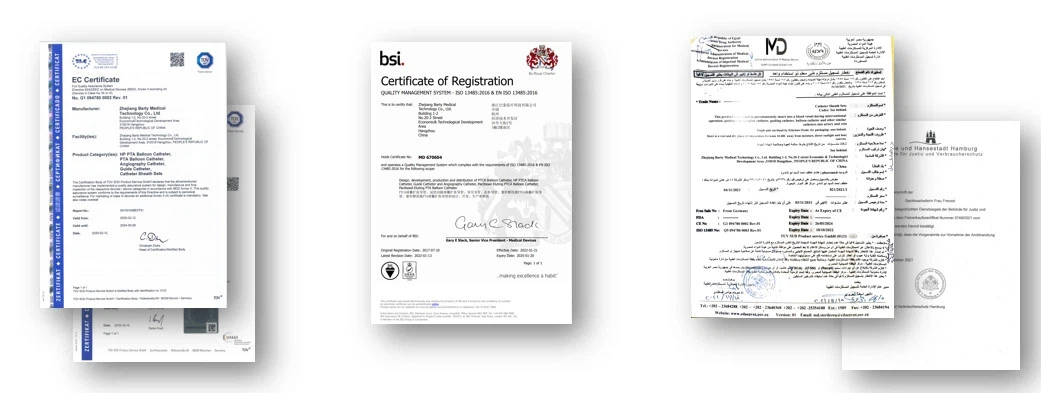
Certifications
FAQ
Q: What is Catheter Angiography?
Q: Where is angiogram catheter inserted?
Q: What is the most common catheter angiogram?
Q: Why is a catheter angiography done?
Q: Is catheter angiography painful?
Q: What does an angiography catheter do?
Q: What are the benefits of cardiac catheterization?
Q: What are the advantages of cardiac angiography?
Q: When should you avoid angiography?
Q: When is angiography recommended?
Q: How many times angiography can be done?
Q: Can heart catheterization clear a blockage?
Q: Which is better CT angiography or catheter angiography?
Q: Why is angiography done?
Q: What is the most common complication associated with catheter angiography?
Q: Can angiography clear blockage?
Q: Is catheter angiography invasive?
Q: What is the difference between cardiac cath and angiography?
Q: What is the difference between a CT angiogram and a catheter angiogram?
Q: What is the main advantage of cardiac catheterization?
We're well-known as one of the leading angiography catheter manufacturers and suppliers in China. Please feel free to wholesale high quality angiography catheter at competitive price from our factory. For custom service, contact us now.
Catheter for Coronary Angiography, Cath Angio, Catheters Used In Coronary Angiography