


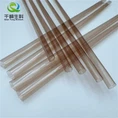


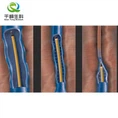
Introducer Sheath
An introducer sheath is a flexible plastic or metal tube that is inserted through a puncture site to provide a pathway for medical devices, such as catheters or endoscopes, to reach the target site inside the body. The sheath is designed to reduce trauma to the tissue and facilitate the introduction and removal of medical tools. The introducer sheath is commonly used in minimally invasive procedures, such as angiography, vascular access, and endoscopy.
Why Choose us?
Expertise
Our team has expertise in the latest CAD/PAD technologies and a wealth of experience in the industry. We stay up-to-date with the latest advancements in the field, so you can rest assured that you are receiving the highest quality services.
Quality Control
We have a strict quality control process to ensure that the products we produce and the services we provide meet or exceed industry standards. You can trust us to deliver consistent, reliable, and accurate results every time.
Competitive Pricing
We offer competitive pricing without compromising on quality. We understand the importance of keeping costs low, and we work hard to find solutions that fit within your budget.
Customer Service
We strive to provide excellent customer service and support throughout every stage of the project. Our team is always available to answer questions, provide guidance, and offer assistance whenever you need it.

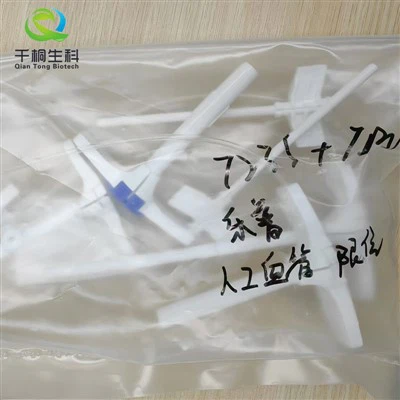


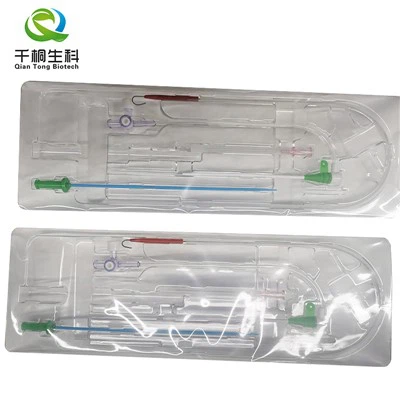

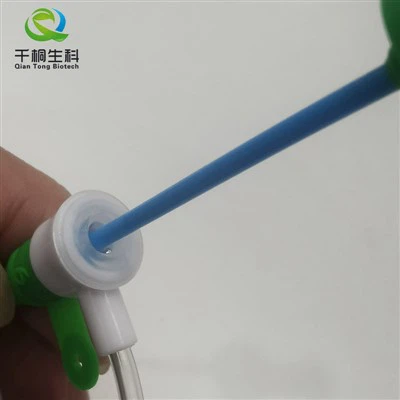

Benefits of Introducer Sheath


Improved accuracy
An introducer sheath helps to accurately guide an instrument or device into a specific site, making procedures less invasive and more precise. It is typically a thin, flexible tube made of plastic or metal that is inserted into the body through a small incision or natural opening. The introducer sheath provides a pathway for instruments such as catheters, endoscopes, or biopsy needles to reach the desired target area without causing damage to nearby tissues. It also reduces the risk of infection by preventing contaminants from entering the body. Introducer sheaths are commonly used in a variety of medical procedures, including diagnostic tests, minimally invasive surgeries, and interventional procedures.
Reduced risk of complications
Introducer sheaths help to reduce the risk of complications during invasive procedures by minimizing tissue damage and bleeding. These sheaths act as a protective barrier between the tissues and any medical device that is being inserted, preventing damage to the surrounding area. They are often used in procedures such as cardiac catheterization, angiography, and vascular access. Introducer sheaths are available in various sizes and materials to suit different procedure requirements. They are essential in providing safe and effective care for patients undergoing invasive procedures.
Efficiency
Introducer sheaths allow for quick and efficient insertion of instruments or devices, reducing the overall time required for a procedure. They are commonly used in endovascular procedures, where catheters or other instruments need to be inserted into blood vessels. Introducer sheaths are typically made of plastic or metal and come in various sizes to accommodate different instruments or devices. They are designed to provide a smooth and lubricated pathway for the instruments, reducing the risk of damage to the vessel wall. Using an introducer sheath can also minimize the need for multiple punctures, which can reduce patient discomfort and the risk of complications.
Enhanced patient comfort
Introducer sheaths reduce pain and discomfort for patients during invasive procedures. These sheaths are thin, flexible tubes that are inserted into a patient's blood vessels or other organs to allow for the insertion of medical instruments. By using an introducer sheath, medical professionals can reduce the number of times they need to insert instruments like catheters, which can result in less pain and discomfort for the patient. Additionally, introducer sheaths can help reduce the risk of bleeding or other complications during invasive procedures. Overall, the use of introducer sheaths is a safe and effective way to make invasive procedures more comfortable and less stressful for patients.
Increased safety
With the use of introducer sheaths, the risk of needle sticks or other injuries to healthcare workers is reduced. These sheaths are typically hollow tubes that allow instruments to pass through them and into the patient's body. Introducer sheaths are designed to reduce the risk of needle sticks and other injuries to healthcare workers by providing a protective barrier between the sharp instruments and the healthcare providers. The sheath is placed over the sharp instrument and guided to the desired location in the body, reducing the possibility of accidental needle sticks or sharps injuries. Additionally, the use of introducer sheaths can improve procedural efficiency by reducing the need for multiple punctures or attempts at accessing the desired location in the patient's body.
Greater flexibility
Introducer sheaths come in various sizes and shapes to accommodate a wide range of instruments and devices, allowing for greater flexibility in performing procedures. These sheaths are typically made of materials such as plastic or metal and are inserted through a small incision in the body to provide access for instruments or devices used during a medical procedure. The size and shape of the sheath depends on the size and shape of the instrument or device being used, as well as the location of the incision and the specific needs of the patient. Some common types of introducer sheaths include guiding catheters, dilators, and cannulas, each of which serves a specific purpose in facilitating medical procedures. By offering a variety of options, introducer sheaths can help medical professionals achieve better outcomes for their patients while minimizing the risks associated with invasive procedures.
Improved outcomes
The use of introducer sheaths can lead to better patient outcomes, including faster recovery times and reduced hospital stays. One of the main benefits of using introducer sheaths is that they can help to reduce the trauma to the body during medical procedures. By creating a small incision instead of a larger one, the body experiences less trauma and is able to heal more quickly. Patients who undergo procedures using introducer sheaths may experience faster recovery times and may be able to go home sooner after their procedures, reducing their hospital stays.
Introducer sheaths may also reduce the risk of complications associated with medical procedures. By providing a clear pathway for medical devices, the risk of damage to surrounding tissue or organs is reduced. Additionally, the use of introducer sheaths may reduce the risk of bleeding during procedures, as the sheath can be used to control and limit bleeding.
Specifications of Introducer Sheath
An introducer sheath is a medical device used during interventional procedures to facilitate the introduction of other medical devices and instruments into the body. This device acts as a guide to help healthcare professionals move medical devices into the desired location in the body.
Material
The introducer sheath is typically made from medical-grade materials, such as plastic, silicone, or polyurethane.
01
Size
The size of the sheath can vary depending on the specific application and the size of the device being inserted. They typically range from 4 to 12 French.
02
Length
The length of an introducer sheath can range from 10 cm to 30 cm, again depending on the specific application.
03
Sterilization
Introducer sheaths are typically sterilized in an autoclave or gamma radiation before use.
04
Design
Introducer sheaths typically have a tapered or conical tip to aid in insertion and minimize trauma to the surrounding tissue. They may also have a valve system to help prevent air or blood from entering the sheath during insertion.
05

An introducer sheath is a medical device used during various medical procedures such as venous access, cardiac catheterization, or angioplasty.
It is a thin, flexible tube made up of medical grade materials like plastic, silicone, or polyurethane. The sheath is placed over the guide wire and slid into an artery or vein to help provide access to the blood vessels while also protecting the artery walls.
The introducer sheath consists of a dilator that gradually increases the size of the penetration site and a hemostasis valve to prevent bleeding. These sheaths come in different sizes to fit the required vessel, and they are controlled to minimize the risk of injury during insertion or removal.
Introducer sheaths help deliver various types of medical devices, such as stents, balloons, or catheters, to the desired site.
Applications of Introducer Sheath
An Introducer Sheath is a thin, flexible tube that is used to insert and guide other medical devices or instruments, such as catheters, into the body through a vein or artery. Typically, introducer sheaths are used in surgical procedures where access to the vascular system is required.
One of the most common applications of introducer sheaths is in cardiac catheterization. During this procedure, a catheter is inserted into a blood vessel in the groin or arm, guided through the blood vessels to the heart, and then used to diagnose or treat heart conditions such as coronary artery disease or arrhythmias. An introducer sheath is used to insert the catheter into the blood vessel and guide it into the desired location.
Introducer sheaths may also be used in other areas of the body, such as in neurology, oncology, or urology. They are often used in minimally invasive surgeries, such as laparoscopic procedures, to provide access to the body cavity or to specific organs.
Vascular Access
Introducer sheaths are commonly used in vascular access procedures to facilitate the passage of intravascular devices such as catheters, guidewires, and stents.
Cardiac Procedures
In cardiology, introducer sheaths are used to access the heart through the femoral artery for procedures such as a coronary angiogram or percutaneous coronary intervention (PCI).
Peripheral Intervention
Introducer sheaths are also used in peripheral interventions, such as treatment of peripheral artery disease or in embolization procedures.
Dialysis
Introducer sheaths can be used to access the vasculature of patients requiring dialysis, enabling easy venous access for hemodialysis.
Neurology
In neurology, the use of introducer sheaths enables minimally invasive access to the cerebral vasculature for diagnostic and interventional procedures.
Oncology
Introducer sheaths are used to access the vasculature surrounding a tumor for delivery of chemotherapy or embolization to starve the tumor of its blood supply.
Urology
In urology, introducer sheaths can be used to access the urinary tract for procedures such as ureteroscopy or pyeloplasty.
An introducer sheath and a method of manufacturing an introducer sheath. The introducer comprises a first polymeric sleeve having a first striped extrusion arranged in a generally helical pattern along the first sleeve. A second polymeric sleeve is positioned over and bonded to the first polymeric sleeve, the second polymeric sleeve comprising a second striped extrusion that is arranged in a generally helical pattern along the second sleeve.
The first and second polymeric sleeves are axially aligned such that the second striped extrusion is superposed over the first striped extrusion to define a generally braid-like configuration. The introducer sheath can optionally include an inner liner disposed within a lumen of the first polymeric sleeve, and/or a coil fitted over the inner liner, such that the first polymeric sleeve is bonded to the inner liner between turns of the coil.
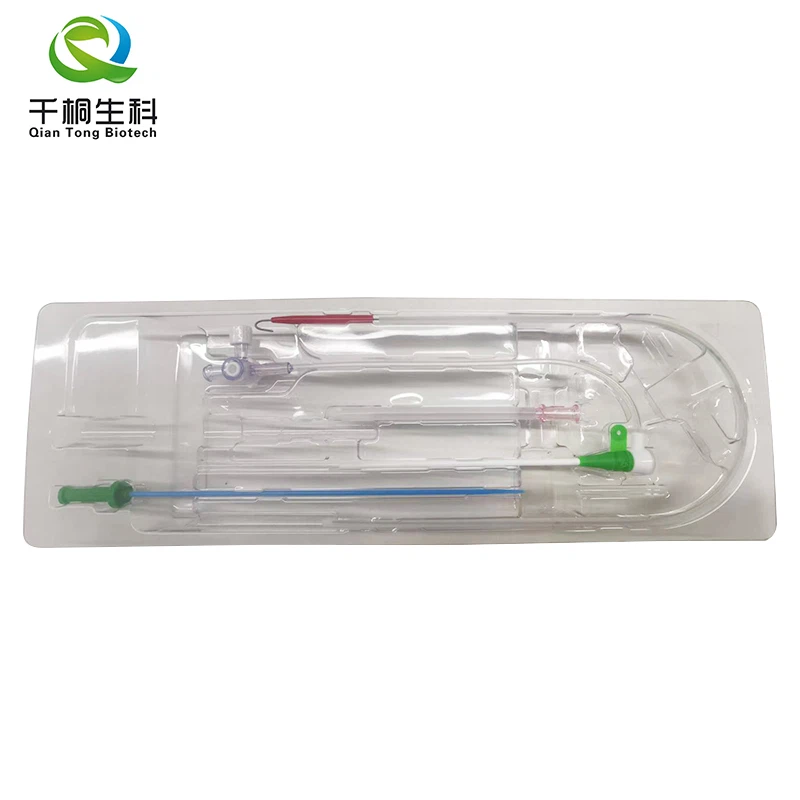
When Choosing Introducer Sheath, You Should Consider:
Size
The size of the introducer sheath should be appropriate for the size of the vessel where it will be inserted. This is because if the introducer sheath is too large, it can cause damage to the vessel and lead to bleeding or failure of the procedure. Conversely, if the introducer sheath is too small, it may not adequately support the instruments or devices passing through it and can also increase the risk of bleeding or vascular damage. Therefore, it is important to carefully choose the appropriate size of the introducer sheath based on the size of the vessel, as well as the specific procedure being performed. This is typically determined by the physician or vascular specialist performing the procedure.
Material
Introducer sheaths are available in a variety of materials such as nylon, polyethylene, and polyurethane. The material should be chosen based on the intended use, the patient's condition, and the ease of insertion.
Length
The length of the introducer sheath should be sufficient to allow for easy insertion and maneuverability. The length will vary depending on the specific purpose and location of the insertion, but typically ranges from 5 to 25 cm. The sheath should be long enough to cover the entire length of the needle or catheter that will be inserted through it, and provide a secure grip for the operator. It should also allow for smooth and easy movement of the needle or catheter during insertion, while minimizing any resistance or discomfort for the patient. Proper sizing and selection of the introducer sheath is essential to ensure safe and effective procedures and minimize the risk of complications.
Shape
The shape of the introducer sheath may be straight or curved depending on the clinical application and the anatomical location where it will be inserted. For example, a straight introducer sheath may be used for venous access in the arm, while a curved one may be used for arterial access in the groin. The shape of the introducer sheath can also impact the maneuverability of the catheter being introduced and may affect the level of discomfort experienced by the patient during the procedure. The size and flexibility of the sheath may also vary, depending on the specific catheter that will be used for the intended procedure.
Durability
The durability of the introducer sheath is important to ensure that it can withstand the forces applied during insertion and removal. It also ensures that the sheath does not break or become damaged, which could result in endangering the patient's safety during the procedure. The introducer sheath's durability is essential for minimizing the risk of complications such as bleeding, hematoma formation, and infection. A durable sheath will also enable efficient removal without leaving any fragments behind, reducing the risk of harm to the patient. Hence, the durability of the introducer sheath is a crucial factor to be considered while selecting a sheath for a medical procedure.
Sterilization
The introducer sheath must be sterilized before use to avoid any potential infections. The introducer sheath is a medical device that is used to introduce and guide other medical instruments into the body, such as catheters or implants. Sterilization is necessary to prevent the introduction of harmful microorganisms into the body during the medical procedure, which could lead to an infection. The sheath and any other medical instruments used during the procedure should be sterilized according to medical industry standards to ensure patient safety.
Price
The cost of the introducer sheath is also an important consideration, particularly for healthcare facilities with budget constraints. However, cost should not be the only factor considered in choosing the right introducer sheath.
Hangzhou Qiantong Biotechnology Co., Ltd. is located in Hangzhou, Zhejiang Province, China. Since its establishment in 2017, the company has been focusing on the field of vascular intervention and is determined to provide high-quality and affordable intervention consumables for global partners. We can provide not only semi-finished products, but also finished products. The products cover such fields as cardiology, cardiac surgery, vascular surgery, Radiology, Intracranial vascular intervention,Electrophysiology etc.


With more than 10 years Production and sales experience in CAD /PAD, the founder and team from Hangzhou Qian Tong Biotechnology are specialized in providing products and service as follow:


Certifications

FAQ
Q: What are the benefits of introducer sheath?
Q: Is introducer sheath disposable?
Q: What is the purpose of the peel away sheath?
Q: What is the function of introducer?
Q: What are introducer sheaths used for?
Q: What are introducer sheaths used for?
Q: What are sheaths used for?
A sheath is a protective covering or encasement that's used during cardiac procedures to assist with guidewire and catheter insertion and advancement. A sheath can be placed in an artery, a vein, or both at the same time, depending on the procedure..
Q: How often should a sheath be changed?
Q: Is an introducer the same as a sheath?
Q: What size are introducer sheaths?
Q: What size sheath is a pacemaker?
Q: How do you remove a sheath?
Q: What is the end of a sheath called?
Q: Why are ported cannulas not ideal?
Q: What is blood in catheter called?
Q: What is an introducer catheter?
Q: Is an introducer sheath a central line?
Q: Can cannula be called catheter?
Q: What are vacuum blood collection tubes used for?
Q: In how many sizes is introducer sheath available?
We're well-known as one of the leading introducer sheath manufacturers and suppliers in China. Please feel free to wholesale high quality introducer sheath at competitive price from our factory. For custom service, contact us now.
Percutaneous Sheath Introducer Set, Vascular Introducer Sheath, Guide Sheath Kit