


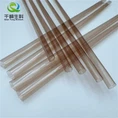


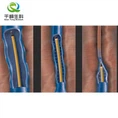


Vein Closure System is minimally invasive procedure for treating venous reflux, also known as chronic venous insufficiency. use a special glue to close larger varicose veins in the lower legs or Radio frequency ablation system .
vein glue avoids many of the side effects of other treatments for varicose veins. It is also done without the use of multiple injections of local anesthesia. Patients report little to no discomfort with this procedure and quickly return to their usual activities.

Advantages of the vein Closure System
Unlike other treatments for venous reflux, the vein closure system does not require multiple injections of anesthesia.
The procedure is also minimally invasive, so most people can return to their normal activities immediately after treatment. You will not need to take any pain medication or wear compression stockings.
In addition this procedure doesn't use heat to seal the veins, so there is no risk of skin burns or nerve damage.

How vein Treats Venous Reflux
The vein closure system is used to treat venous reflux, also known as chronic venous insufficiency, in the lower legs. In particular, the procedure works best for larger, deeper veins such as the great saphenous vein.
Venous reflux occurs when the valves in the veins of the lower legs no longer work properly. The malfunctioning valves allow blood to flow backward-known as reflux. This causes the veins to enlarge and form varicose veins.
Left untreated, this condition can become more severe and limit your daily activities by causing:
lower leg pain
swelling
skin damage
ulcerations
These symptoms should go away after the procedure when your blood starts to flow through other, healthy veins.
The vein Closure Procedure
If your doctor thinks you're a candidate for the vein closure system, you will first be given a venous reflux exam. This painless ultrasound test lets your doctor see how well or poorly the valves in your veins are working.
You will not need multiple injections of anesthesia in your leg before the procedure. You will also not need to take any medication beforehand.
During the procedure, your doctor will make a tiny cut in your skin (so small that stitches aren't needed). The hole is only large enough for your doctor to insert a tiny catheter through the skin and into the diseased vein.
The doctor will then inject a small amount of medical glue into the vein. This closes the vein. Blood flow is then rerouted naturally through the other healthy veins in your leg.
Advantages of the vein Closure System
Recovery, Risks, Side Effects and Complications of vein
The vein closure system is safe and effective. Clinical trials showed that veins were still closed in around 93 percent of people after one year. These results are similar to other therapies, such as laser and radio frequency treatments.
This procedure is minimally invasive so recovery is quick. Most people return to their normal activities immediately after the procedure, without the need for pain medication or compression stockings. People also experience an improvement in their quality of life after the procedure.
All medical procedures carry some risks. The most common ones with the vein closure system are allergic reaction to the glue, blood clots, a blockage in one of the arteries of the lungs, bruising or infection.

Alternatives to the vein Closure System
Other alternatives include:
Endovenous laser treatment (EVLT), which uses targeted laser energy to heat a vein from the inside, causing it to collapse quickly and eventually disappear
Endovenous radiofrequency ablation, which uses radiofrequency energy to heat vein and cause it to collapse
Ultrasound-guided sclerotherapy, in which an irritant (often a foam) is injected into the vein, damaging it and causing it to collapse
Energy treatment Adverse events: it may include hematoma, phlebitis, skin injury, nerve injury, thrombophlebitis, thrombosis, and/or pulmonary embolism.
Potential Risks and Complications(glue ):
These potential adverse events include, but are not limited to, the following:
Allergy to glue – hives, itching, anaphylactic shock
Arteriovenous fistula (i.e., an abnormal connection between an artery and a vein)
Bleeding and infection at catheter insertion site
Blood clots in deep veins, Blood clots to lungs (Pulmonary embolism)
Bruising, collection of blood outside the vein
Infection at the access site
Itching at injection site
Leg swelling, hyperpigmentation, visible scars
Local numbness, pain, inflammation of vein and surrounding area
Neurological deficits including stroke and death
Non-specific mild inflammation of the cutaneous and subcutaneous tissue
Pain
Paresthesia (i.e., a feeling of tingling, pricking, numbness or burning)
Phlebitis (i.e., inflammation of a vein)
Rupture or perforation of vein being treated
Superficial thrombophlebitis
Ulceration may occur at the site of injection
Vascular rupture and perforation
Visible scarring
Hot Tags: vein closure system, China vein closure system manufacturers, suppliers, factory, Ptca Catheter, Ptca Balloon, Peelable Sheath, Vascular Introducer, Balloon Dilatation Catheter, Hydrophilic Sheath


