


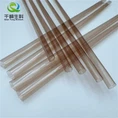


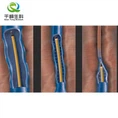
What is a 5F Diagnostic Catheter?
A 5F diagnostic catheter is a medical device commonly used in interventional cardiology and radiology procedures. It is a thin, flexible tube that is inserted into blood vessels or other anatomical structures to allow for diagnostic imaging or therapeutic interventions. The "5F" in the name refers to the French size of the catheter, which is a standard unit of measurement in medical devices. In this article, we will explore the various features, uses, and benefits of a 5F diagnostic catheter.
Features of a 5F Diagnostic Catheter
A 5F diagnostic catheter is typically made of a biocompatible material such as polyurethane or silicone. Its small size and flexibility allow it to maneuver through the complex networks of blood vessels with ease. The catheter is available in different shapes and lengths to suit specific clinical requirements.
One of the important features of a 5F diagnostic catheter is its radiopacity. It is made visible under fluoroscopy or X-ray imaging, enabling physicians to accurately guide the catheter to the desired location within the body. Radiopacity is usually achieved by adding radio-opaque substances like barium or bismuth to the material of the catheter.
Another notable feature of a 5F diagnostic catheter is the presence of a rounded tip. The rounded design ensures smooth insertion and minimizes the risk of vessel trauma during the procedure. The distal end of the catheter may also have additional features like side holes for injecting contrast media or medications, or markers for improved visibility under imaging.
Uses of a 5F Diagnostic Catheter
A 5F diagnostic catheter has a wide range of uses across different medical specialties. Here are some of the common applications:
1. Cardiac Catheterization: In the field of cardiology, a 5F diagnostic catheter is often used in cardiac catheterization procedures. It is inserted through a blood vessel, usually in the groin or wrist, and advanced to the heart. Once in position, the catheter allows the visualization of the coronary arteries, measurement of blood pressure and blood flow, and injection of contrast media for angiography.
2. Angiography: 5F diagnostic catheters are commonly employed in angiography procedures to assess blood vessels in various parts of the body. By selectively advancing the catheter into specific arteries, physicians can identify blockages, aneurysms, or other abnormalities that may require further intervention.
3. Embolization: In cases where abnormal blood vessels or tumors need to be blocked off, a 5F diagnostic catheter is used for embolization procedures. The catheter is guided to the target site, and embolic agents such as coils or particles are delivered through the catheter to occlude the vessel or tumor.
4. Urological Procedures: 5F diagnostic catheters are also utilized in urology for procedures like retrograde pyelography or ureteral stenting. These procedures involve visualizing the urinary tract or placing a stent to promote urine flow.
5. Gastrointestinal Procedures: In select cases, a 5F diagnostic catheter may be used in gastrointestinal procedures such as endoscopic retrograde cholangiopancreatography (ERCP) or mesenteric angiography. These procedures involve the examination and intervention of the bile ducts or blood vessels supplying the intestines.
These are just a few examples of the many applications of a 5F diagnostic catheter. Its versatility and ease of use make it an essential tool for many medical interventions.
Benefits of a 5F Diagnostic Catheter
The use of a 5F diagnostic catheter offers several advantages for both physicians and patients. Some of the key benefits are as follows:
1. Minimally Invasive: A 5F diagnostic catheter allows for minimally invasive procedures, reducing the need for open surgeries and their associated risks. It offers an alternative that is less traumatic and requires smaller incisions, leading to faster recovery times and improved patient outcomes.
2. Accuracy: The radiopaque nature of a 5F diagnostic catheter enables precise visualization under imaging guidance, ensuring accurate placement and intervention. This accuracy enhances the success rates of procedures and reduces the potential for complications.
3. Versatility: The availability of various catheter shapes and sizes allows physicians to choose the most suitable option for specific procedures. This versatility ensures that the catheter can be used across a wide range of interventions, providing flexibility and efficiency in clinical practice.
4. Patient Comfort: The small size and flexibility of a 5F diagnostic catheter contribute to patient comfort during procedures. The rounded tip and smooth design reduce the risk of vessel trauma, making the experience less painful and more tolerable for patients.
5. Cost-Effective: Compared to larger catheters or more invasive procedures, a 5F diagnostic catheter is generally more cost-effective. It requires fewer resources and has a lower risk of complications, resulting in reduced healthcare costs both for the patient and the healthcare provider.
In conclusion, a 5F diagnostic catheter is a valuable medical device used in various diagnostic and therapeutic procedures. Its small size, flexibility, and radiopacity make it a preferred choice for interventional cardiology, radiology, urology, and gastrointestinal procedures. The benefits of minimally invasive techniques, increased accuracy, versatility, patient comfort, and cost-effectiveness make the 5F diagnostic catheter an essential tool in modern medical practice.