




Introduction
Microcatheters are thin and flexible tubes that are used in medical procedures for a variety of purposes. They are a useful tool for doctors and surgeons because they can be directed through narrow, tortuous vessels within the body. In this article, we will explore what microcatheters are used for and how they work.
What are microcatheters?
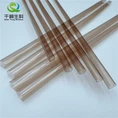
A microcatheter is a thin, flexible tube that is usually made of plastic or metal. It is designed to be inserted into tiny blood vessels or small ducts within the body. Microcatheters are typically between 0.5 mm and 3 mm in diameter, which is much smaller than standard catheters. This small size makes them useful for procedures that require precise and delicate movements.
Microcatheters are often used in conjunction with other medical devices, such as angiography catheters and guidewires. Together, these devices can be used to access and treat areas of the body that are hard to reach with traditional medical equipment.
What are microcatheters used for?
Microcatheters are used for a variety of medical procedures, ranging from diagnostic tests to therapeutic treatments. Some common uses for microcatheters include:
1. Angiography: Microcatheters are often used in angiography, which is a medical imaging technique that uses X-rays to visualize blood vessels in the body. During an angiogram, a catheter is inserted into a blood vessel and guided to the area of interest. A contrast dye is then injected through the catheter, which allows the blood vessel to be visualized on an X-ray.
2. Embolization: Microcatheters can also be used in embolization, which is a minimally invasive procedure that cuts off the blood supply to a tumor or abnormal growth. During an embolization, a microcatheter is guided to the blood vessel supplying the tumor. Small particles or a special glue is then injected through the catheter, which blocks the blood flow to the tumor.
3. Chemoembolization: Chemoembolization is a treatment for liver cancer that delivers chemotherapy drugs directly to the tumor site. During a chemoembolization procedure, a microcatheter is guided to the blood vessel supplying the tumor. Chemotherapy drugs and small particles are then injected through the catheter, which blocks the blood flow to the tumor and delivers the drugs directly to the cancerous cells.
4. Radioembolization: Radioembolization is a similar treatment to chemoembolization, but instead of delivering chemotherapy drugs, tiny beads containing radioactive material are injected through the microcatheter. The beads lodge in the blood vessels supplying the tumor, where they emit radiation that kills cancer cells.
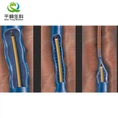
5. Stenting: Microcatheters can also be used to place stents in the body. A stent is a small, mesh-like tube that is inserted into a blood vessel or other tubular structure to keep it open. During a stenting procedure, a microcatheter is guided to the area where the stent is needed. The stent is then inserted through the catheter and placed in the desired location.
6. Drainage: Microcatheters can be used to drain fluids from the body. For example, they can be used to drain bile from the liver or pancreatic fluid from the pancreas.
How do microcatheters work?
Microcatheters are designed to be small and flexible so that they can navigate through the narrow, winding vessels within the body. They are typically inserted into the body through an incision or small puncture in the skin. Once inside the body, the microcatheter is guided through the blood vessels or other structures using a guidewire.
The guidewire is a thin, flexible wire that is inserted through the microcatheter and into the body. The guidewire is passed through the vessels or ducts until it reaches the area of interest. The microcatheter is then passed over the guidewire, which gives it stability and direction as it moves through the body.
Once the microcatheter is in place, medical devices or materials can be passed through it to perform various procedures. For example, a contrast dye can be injected through the microcatheter to perform an angiogram, or small particles can be injected through the catheter to perform an embolization.
Conclusion
Overall, microcatheters are versatile medical devices that are used in a wide range of procedures. They are typically used in conjunction with other medical equipment and allow doctors and surgeons to access hard-to-reach areas of the body. Despite their small size, microcatheters play a critical role in many medical procedures and have revolutionized the way doctors approach certain conditions.