



Introduction
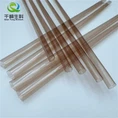
Heat shrinkable materials are widely used in the electrical, electronics, and automotive industries, among others. They are materials that shrink in size when subjected to heat, and this ability makes them particularly useful for various applications such as insulation, sealing, and protection. In this article, we will explore the different types of heat shrinkable materials and their properties.
Types of Heat Shrinkable Materials
Heat shrinkable materials come in various forms, with different properties that make them suitable for particular applications. The following are the most common types of heat shrinkable materials:
1. Polyolefin
Polyolefin is the most widely used heat shrinkable material. It is made from a type of plastic called polyethylene and is highly versatile, durable, and resistant to chemicals. Polyolefin is also available in different shrink ratios, thicknesses, and colors, making it suitable for a wide range of applications, from cable insulation and protection to wire marking and identification.
2. PVC
Polyvinyl chloride, commonly known as PVC, is another popular heat shrinkable material. PVC has excellent resistance to moisture, UV, and chemicals, making it ideal for outdoor or harsh environments. It has a lower shrink ratio than polyolefin, making it more suitable for applications where precision is paramount, such as wire bundling and strain relief.
3. Fluoropolymer
Fluoropolymer materials, such as Teflon®, are known for their exceptional resistance to high temperatures, chemicals, and UV radiation. They are also highly durable and offer excellent insulation and protection for electrical wires, cables, and connectors exposed to harsh conditions.
4. Silicone
Silicone heat shrinkable materials offer unique properties such as high flexibility, stability, and elasticity. They are also highly resistant to extreme temperatures, moisture, and chemicals, making them ideal for a wide range of applications, from cable and wire insulation to medical devices and military equipment.
Properties of Heat Shrinkable Materials
The properties of heat shrinkable materials vary depending on the type of material and its composition. However, the following are some of the general properties shared by most heat shrinkable materials:
1. Shrink ratio
The shrink ratio is the amount of shrinkage a heat shrinkable material undergoes when exposed to heat. It is expressed as a percentage of the original size, with higher ratios indicating more significant shrinkage. The shrinkage ratio can range from 2:1 to 6:1 for most materials, with some speciality materials offering a higher ratio.
2. Operating temperature range
The operating temperature range is the range of temperatures a heat shrinkable material can withstand without losing its functionality or properties. Different materials can handle various temperature ranges, with some materials such as fluoropolymers offering exceptional resistance to high temperatures of up to 200℃ or more.
3. Chemical resistance
Heat shrinkable materials are often used in harsh environments where they may be exposed to various chemicals, solvents, oils, and fuels. Therefore, these materials must have excellent chemical resistance to withstand such exposure without deteriorating or losing their functionality.
4. Electrical insulation
Heat shrinkable materials offer excellent electrical insulation properties and are often used to insulate and protect electrical wires, cables, and connectors. The electrical insulation properties of heat shrinkable materials are determined by factors such as the composition, thickness, and dielectric constant.
5. Physical strength
Heat shrinkable materials must have adequate physical strength to withstand various stresses and strains, such as stretching, bending, and twisting. They must also be durable enough to resist tear, abrasion, and puncture.
Applications of Heat Shrinkable Materials
Heat shrinkable materials have many applications across different industries, including the electrical, electronics, automotive, aerospace, and medical industries, among others. Some of the applications of heat shrinkable materials are:
1. Cable and wire insulation
Heat shrinkable materials are widely used to insulate and protect electrical wires and cables. They offer excellent electrical insulation and protection against moisture, chemicals, and abrasion.
2. Strain relief and wire bundling
Heat shrinkable materials are often used to protect wires against strain and damage caused by bending, stretching, or twisting. They are also useful for bundling wires and cables, making them tidy and organized.
3. Connector sealing and protection
Heat shrinkable materials are used to seal and protect electrical connectors against moisture, dust, and other particles. They offer a secure and reliable barrier that helps to prevent corrosion and other forms of damage.
4. Marking and identification
Heat shrinkable materials come in different colors and can be customized to include markers, labels, or identification codes. This property makes them suitable for marking and identifying wires, cables, and other components.
5. Medical and military equipment
Heat shrinkable materials are often used in medical and military equipment due to their excellent resistance to extreme temperatures, chemicals, and UV radiation. They offer reliable insulation and protection for sensitive devices and components.
Conclusion
In conclusion, heat shrinkable materials are versatile, durable, and have a wide range of applications. They come in different types, each with unique properties that make them suitable for specific applications. When selecting a heat shrinkable material, it is vital to consider factors such as the shrink ratio, operating temperature range, chemical resistance, electrical insulation, and physical strength, among others. By choosing the right heat shrinkable material for your application, you can ensure optimal performance and protection for your components.