




Introduction
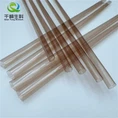
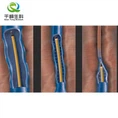
Heat shrinkable materials are ubiquitous in our daily lives, and we often encounter them in various applications. Heat shrinkable materials are polymers that can be molded under heat to fit tightly onto the object they surround, providing insulation, protection, and aesthetic value. They are used in various industries, such as telecommunications, automobile, aerospace, and electronics, among others. In this article, we delve deeper into heat shrinkable materials, their properties, and applications.
What is heat shrinkable material?
Heat shrinkable material is a polymer that is molded into a particular shape, then heated, causing it to shrink to a predetermined size, fitting tightly around the object it encloses. Heat shrinkable materials are elastic and retractable, making them an excellent protective material for wiring and other components. They shrink in both diameter and length, and their shrinking ratios are determined by the manufacturer. Heat shrinkable materials are available in a plethora of colors, sizes, and shapes, making them versatile for various applications.
What are the properties of heat shrinkable materials?
Heat shrinkable materials have several properties that make them useful for different applications. These properties include:
1. High elasticity: Heat shrinkable materials can stretch and retract quickly, allowing them to fit tightly around an object, providing maximum protection.
2. Dielectric strength: Heat shrinkable materials are excellent insulators, and their dielectric strength is dependent on the material used.
3. Chemical resistance: Heat shrinkable materials can resist various chemicals, making them suitable for use in harsh environments.
4. Flame retardancy: Heat shrinkable materials can be made flame retardant, preventing them from disintegrating or producing toxic fumes in case of a fire.
5. Tensile strength: Heat shrinkable materials can resist tearing, ensuring that they provide optimal protection for the object they envelop.
6. Temperature resistance: Heat shrinkable materials can withstand high temperatures and are suitable for use in environments with high temperatures.
7. UV resistance: Heat shrinkable materials can resist the harmful effects of ultraviolet radiation, making them ideal for outdoor applications.
8. Water resistance: Heat shrinkable materials can repel water, ensuring that they protect the object they cover from moisture.
What materials are used in heat shrinkable materials?
Heat shrinkable materials are made from various polymers, each with unique properties. The choice of material used in heat shrinkable materials depends on the intended application. The most commonly used materials are:
1. Polyolefins: Polyolefins are the most popular type of heat shrinkable material. They are made from a blend of polyethylene and polypropylene, making them easy to mold and handle. Polyolefins are flexible, abrasion-resistant, and can withstand various temperatures. They are ideal for use in wiring and cable applications.
2. PVC: PVC is another popular material used in heat shrinkable materials. They are known for their high shrink ratios, making them suitable for use in tight spaces. PVCs are also excellent for insulation and provide excellent protection against UV radiation.
3. Neoprene: Neoprene is a synthetic rubber that is highly resistant to oils, chemicals, and high temperatures. They are ideal for use in the automobile, aerospace, and marine industries.
4. Fluoropolymers: Fluoropolymers are excellent for use in harsh environments. They are highly resistant to chemicals, heat, and abrasion, making them ideal for use in the chemical and petrochemical industries.
5. Silicone: Silicone heat shrinkable materials are ideal for use in high-temperature applications. They can withstand temperatures of up to 200°C, making them ideal for use in the electronics industry.
What are the applications of heat shrinkable materials?
Heat shrinkable materials have a myriad of applications across different industries. Some of the applications include:
1. Electrical insulation: Heat shrinkable materials are ideal for use in the electrical industry. They provide insulation and protection against environmental factors such as moisture and dust. They are used in wiring harnesses, cable assemblies, and electronic components.
2. Corrosion protection: Heat shrinkable materials can provide protection against corrosion, ensuring that equipment and machinery remain in good condition. They are used in the oil and gas industries, marine applications, and offshore applications.
3. Identification and labeling: Heat shrinkable materials are excellent for labeling wires, cables, and other components. They are available in various colors, making them ideal for use in identifying different components.
4. Mechanical protection: Heat shrinkable materials can provide mechanical protection to equipment and machinery. They can protect against scratches, dents, and other forms of damage.
5. Aesthetic value: Heat shrinkable materials are available in various colors, making them ideal for use in aesthetic applications. They can be used to provide a sleek and professional finish to various objects.
What are the factors to consider when choosing heat shrinkable materials?
Choosing the right heat shrinkable material for a particular application can be challenging. Here are some factors to consider when choosing heat shrinkable materials:
1. Environment: The environment in which the heat shrinkable material will be used should be considered. Factors such as temperature, chemicals, and humidity can affect the performance of the heat shrinkable material.
2. Application: The application of the heat shrinkable material should be considered. The material should be chosen based on the level of protection required, the size of the object, and the level of abrasion resistance needed.
3. Shrink ratio: The shrink ratio of the heat shrinkable material should be considered. Different materials have different shrink ratios, and the right ratio should be chosen for the intended application.
4. Temperature range: The temperature range in which the heat shrinkable material can operate should be considered. The material should be chosen based on the maximum and minimum temperatures that it can withstand.
Conclusion
Heat shrinkable materials are versatile and suitable for different applications. The choice of material used depends on the intended application and the environment in which it will be used. Polyolefins, PVC, neoprene, fluoropolymers, and silicone are the most commonly used materials. When choosing heat shrinkable materials, factors such as the application, environment, shrink ratio, and temperature range should be considered. Heat shrinkable materials provide protection, insulation, and aesthetic value, making them an excellent choice for various industries.