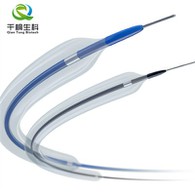




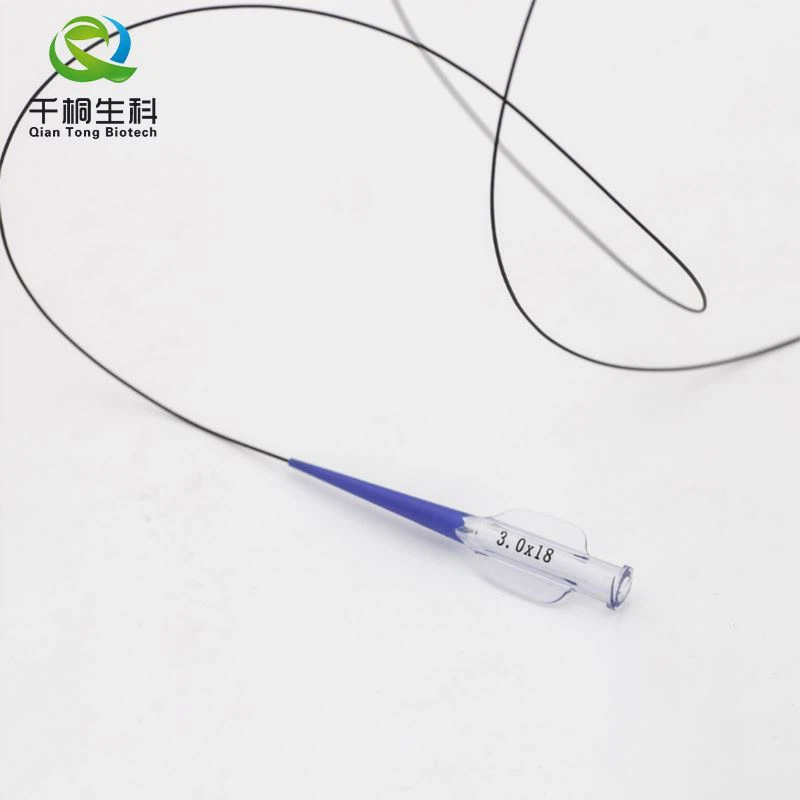

The procedure for PTCA Dilatation catheter involves the following steps:
1. The patient is first given a local anesthesia to numb the area around the groin or wrist where the catheter will be inserted.
2. A thin, flexible tube called a catheter is inserted into the artery using a needle and a small incision. The catheter is guided through the artery using fluoroscopy (a type of X-ray imaging) until it reaches the coronary artery.
3. Once the catheter is in position, a small balloon at the end of the catheter is inflated. The inflation of the balloon pushes the plaque in the coronary artery to the sides, thereby widening the artery and restoring blood flow.
4. After the artery is widened, the balloon is deflated and the catheter is removed.
5. In some cases, a stent (a small, mesh-like metal tube) may be placed inside the artery to keep it open. The stent is expanded using a balloon similar to the one used for angioplasty.
6. Once the procedure is complete, the incision is closed with stitches or a special closure device.
The procedure usually takes between 30 minutes to an hour. After the procedure, the patient is monitored for a few hours to ensure there are no complications. Patients can typically go home the same day or the next day.
FAQ for PTCA dilatation catheter
1. What are the risks of this catheter?
Like any medical procedure, there are risks involved with the use of the dilatation catheter. These may include bleeding, infection, damage to the artery or heart tissue, a heart attack, or stroke.
2. How is the dilatation catheter different from a stent?
A PTCA dilatation catheter is used to temporarily widen the blocked artery using a balloon. A stent is a small, metal mesh tube that is placed permanently in the artery to keep it open after the balloon has been removed.
3 How long does the procedure take?
The procedure usually takes around 30 to 60 minutes, although the time can vary depending on the complexity of the blockage and the patient's individual circumstance.
4. How long is the recovery time after the procedure?
Most patients can go home the same day or the day after the procedure. Recovery time will vary depending on the individual and the extent of the blockage, but patients are typically advised to rest for a few days before returning to normal activities.
5. Who can benefit from a PTCA dilatation catheter procedure?
Patients with coronary artery disease caused by the build-up of plaque (atherectomy) or a blood clot can benefit from it. However, patients with extensive disease or blockages that cannot be treated with a balloon may require other forms of treatment. Your doctor will determine if this procedure is right for you based on your individual diagnosis and medical history.


Hot Tags: ptca dilatation catheter, China ptca dilatation catheter manufacturers, suppliers, factory, Pta Catheter, Cervical Ripening Balloon Catheter, Pta Balloon, Ptca Catheter, Pta Balloon Dilatation Catheter, Ptca Balloon Dilatation Catheter