


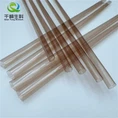


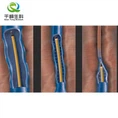


The catheter is used to guide the balloon catheter to the site of the blockage and deliver it to the affected area with minimal trauma to the surrounding tissues. catheters come in a variety of sizes and designs, and are often used in conjunction with other medical devices such as guidewires and stents.
Procedure for using peripheral microcatheter:
1. Gather all necessary equipment, including the microcatheter, sterile gloves, antiseptic solution, sterile drapes, and any other necessary supplies.
2. Prepare the patient by explaining the procedure and ensuring that they are comfortable and in a proper position for access to the desired area.
3. Clean the area surrounding the access site with antiseptic solution, using a sterile technique.
4. Put on sterile gloves and drape the area with sterile drapes.
5. Insert the microcatheter into the access site, using a gentle and careful touch to avoid tissue damage or other complications.
6. Guide the microcatheter using fluoroscopy or another imaging technique, ensuring that it reaches the desired location without causing damage to surrounding tissue.
7. Once the microcatheter is properly positioned, use it to deliver any necessary medications, contrast, or other diagnostic or therapeutic agents.
8. Monitor the patient closely during and after the procedure for any signs of complications or adverse effects.
9. Remove the microcatheter carefully and dispose of it safely, following all appropriate guidelines and procedures for medical waste disposal.
10. Clean and dress the access site, and provide any necessary post-procedure instructions to the patient for proper care and recovery.
Benefit FOR USING Peripheral Microcatheter
1. Reduced patient discomfort: These catheters are very thin, which means that they can be inserted with less discomfort than larger catheters.
2. Increased procedure success: provide better access to small vessels in the body, which can increase the success rate of peripheral vascular access procedures.
3. Minimal scarring: Because these catheters are so small, the incision required for insertion is also small, which can lead to minimal scarring.
4. Fewer complications: The thinness of microcatheters means that there is less trauma to the body during insertion and use, reducing the risk of complications such as bleeding or infection.
5. Increased control: The flexibility of microcatheters gives doctors better control during procedures, enabling them to reach the desired location more accurately and with greater ease.
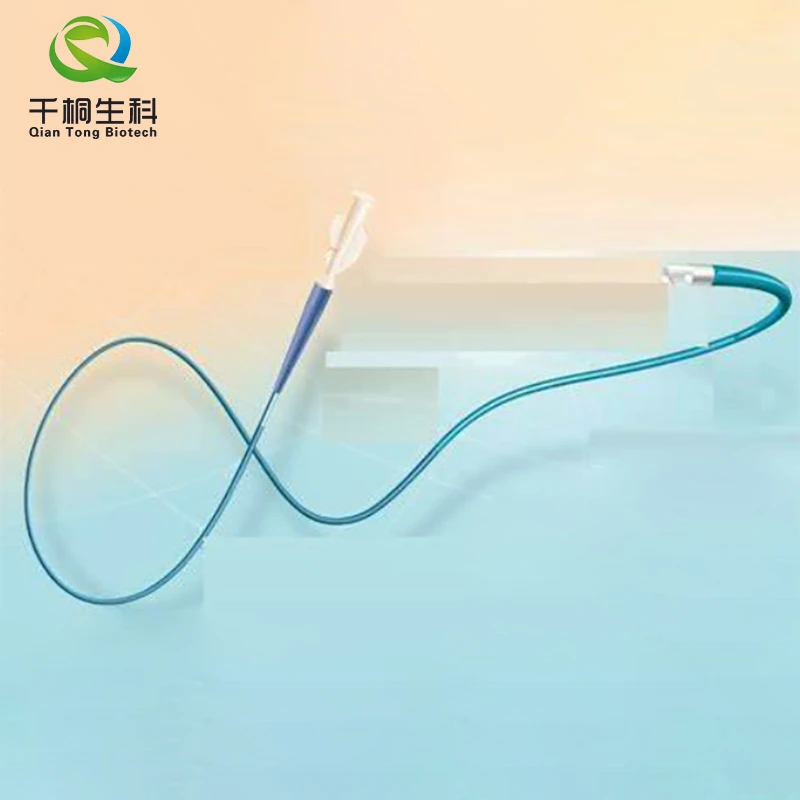

Hot Tags: peripheral microcatheter, China peripheral microcatheter manufacturers, suppliers, factory, Peripheral Microcatheter, Microcatheter


